

Genres
The genres we publish, and what each one needs
Children’s books are what we publish most: picture books, early readers and chapter books. Every other genre has its own production problems too, and these pages say what yours involves.
Start with your reader
Every genre makes a different promise
The story, design and format should work together for the people who will pick up your book.
The voice
Editing should make the reading clearer while keeping the voice that makes the work yours.
Explore editorial supportThe first impression
Cover artwork and type help signal the kind of reading experience inside.
Explore cover designThe reading experience
The interior needs to suit the material, from long prose to illustration and practical guides.
Explore book interiors
Ten genres
Find the kind of book you are writing
Each page covers what the genre demands, what it costs, and the honest comparison with the alternative route.
Portfolio
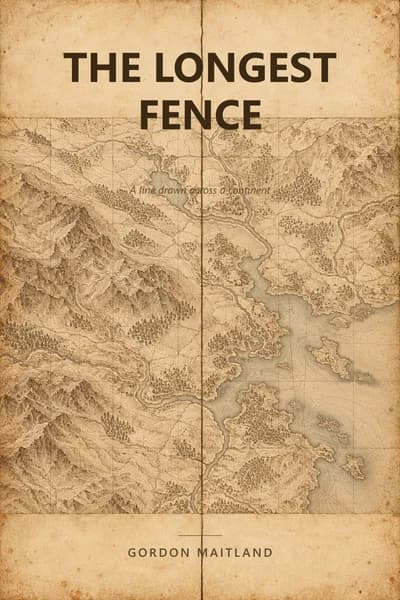
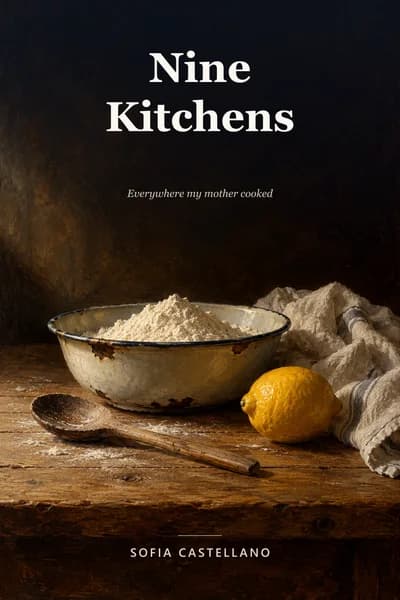
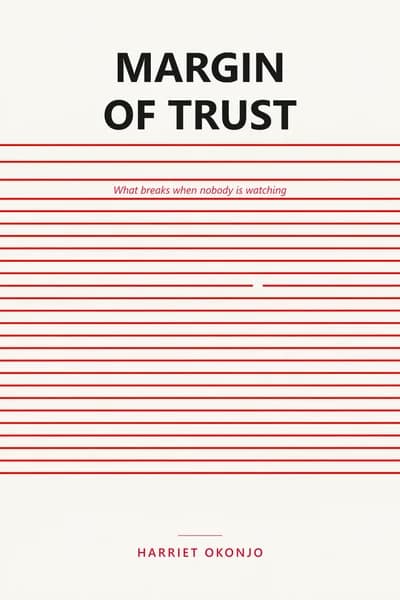
Covers from author projects
Production work across the genres we have published most, each shown with its title and author.




Choosing
Genre is not a label, it is a set of constraints
Where your book sits decides its length, its trim size, its cover, its categories and often its print cost.
Readers browse by genre, retailers shelve by genre, and the signals a cover sends are genre signals. A romance cover that hedges on subgenre loses the sale. A picture book that ignores the 32-page signature prints badly. A poetry collection typeset on a novel template loses its line breaks.
None of that is about writing to a formula. It is about being findable and printable. If you are not sure which genre your book competes in, send it to us — that judgement is part of a manuscript assessment, and it shapes everything from the cover design to the categories we set in distribution.
- Genre decides length, trim size and print cost
- Covers signal subgenre before a word is read
- Categories and keywords are chosen per genre, from live search terms
- We will tell you which category your book actually competes in
You keep your rights
Full copyright and royalties stay with you
Fixed written quotes
The quote you accept is the amount you pay
Australian owned
Local team, AUD pricing, GST invoices
Work you approve
Nothing goes to print without your sign-off
Questions authors ask
Questions about genre
Most books do, and the practical question is which single category it sits in on a retailer page, because that is where readers browse. We choose the primary category the book genuinely competes in and carry the secondary signals in the cover, blurb and keywords. Refusing to choose is how a book reaches nobody.
Usually yes. These ten cover most of what Australian authors bring us, but cookbooks, textbooks, workbooks, graphic novels and photography books are all things we can produce. Each has its own production quirks, so tell us what the book is and we will say plainly whether we are the right people for it.
Considerably. A novel is the cheapest case. Illustrated children’s books cost the most because sixteen spreads of artwork is the bulk of the budget. Non-fiction with figures, tables and an index costs more to typeset than plain prose, and poetry costs more per page because each poem starts a new page.
Every genre page shows four or more covers from that genre, because a cover only ever appears under the genre it belongs to. Fantasy and science fiction is the deepest part of the portfolio. If your book sits between two genres, the genre page for each will show you how differently they are designed.
Romance and fantasy have the largest and most active self-publishing readerships, and crime has the strongest traditional trade market in Australia. Poetry and literary fiction sell in small numbers whoever publishes them. None of that should decide what you write, but it should shape what you expect.
Yes, and we are asked often. It takes a read, because the answer comes from how the book behaves rather than what it is about — a book set in space may be science fiction or a thriller, and the two sell to different readers. It is part of what a manuscript assessment answers.
Still have a question? A real publisher will answer it.
Start your publishing journey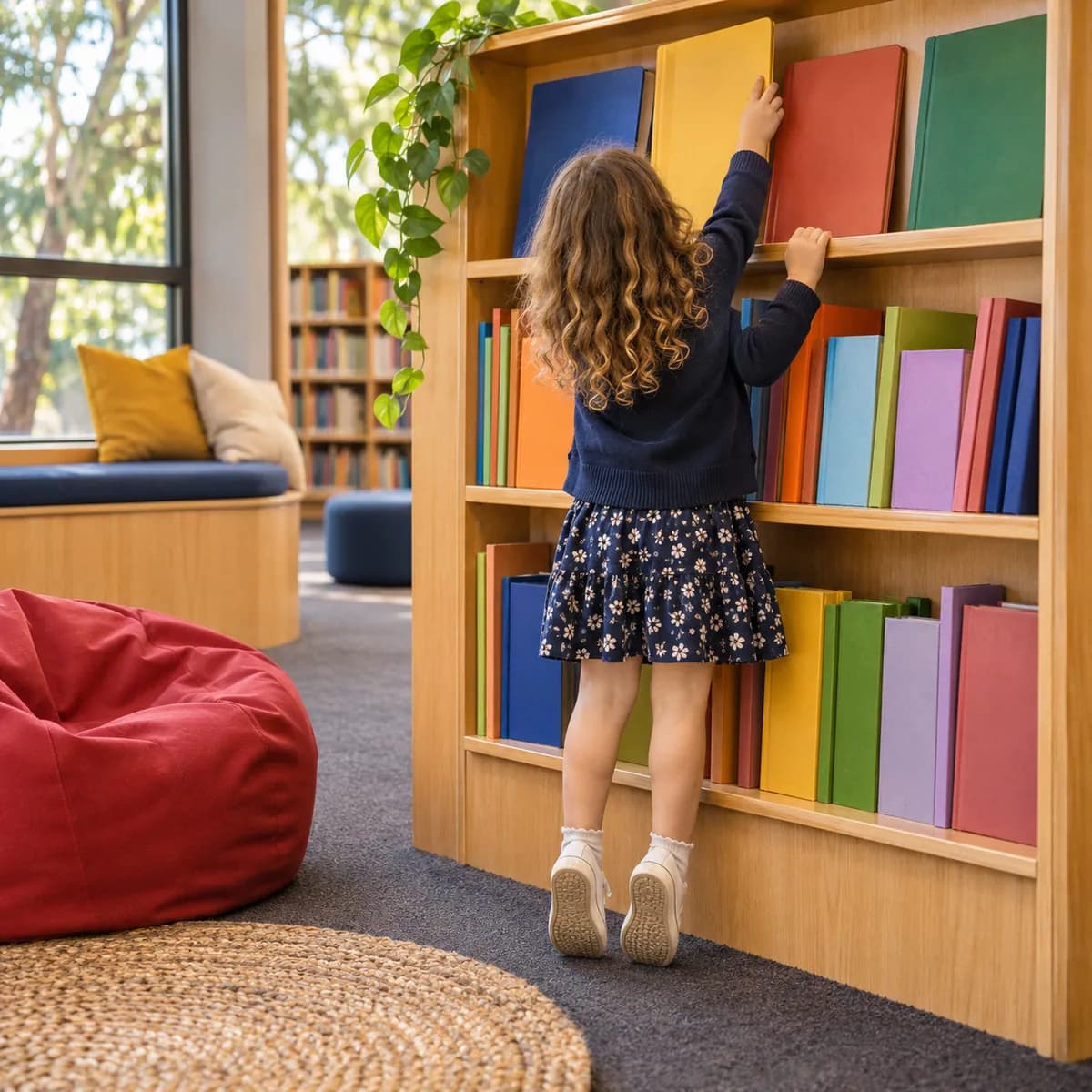 Make room for your book.
From your desk to a reader’s shelf
Not sure where your book fits
Send the manuscript or a chapter. An editor reads it and tells you which genre it competes in, what that means for the production, and what it would cost.