

Skip to content
Kangaroo Direct Publishing — home

Genres

Self-help book publishing for Australian authors

Books that ask the reader to do something. Edited so the method is followable, typeset so exercises work on paper and on a phone, and positioned without promises nobody can keep.

  • A free manuscript read
  • Fixed written quote
  • You keep the rights

Portfolio

Self-help covers from our studio

Cover and production work, each shown with its title and author.

  • Stop Rehearsing — a single empty chair under a stage spotlight on a flat coral field

    Stop Rehearsing

    Dylan Fourie

  • Enough Room — a soft abstract gradient of pale sky tones with one open pale band across the middle

    Enough Room

    Marta Kowalczyk

  • The Quiet Hour — a two-colour linocut of morning light falling through a window onto a table

    The Quiet Hour

    Niamh Dillane

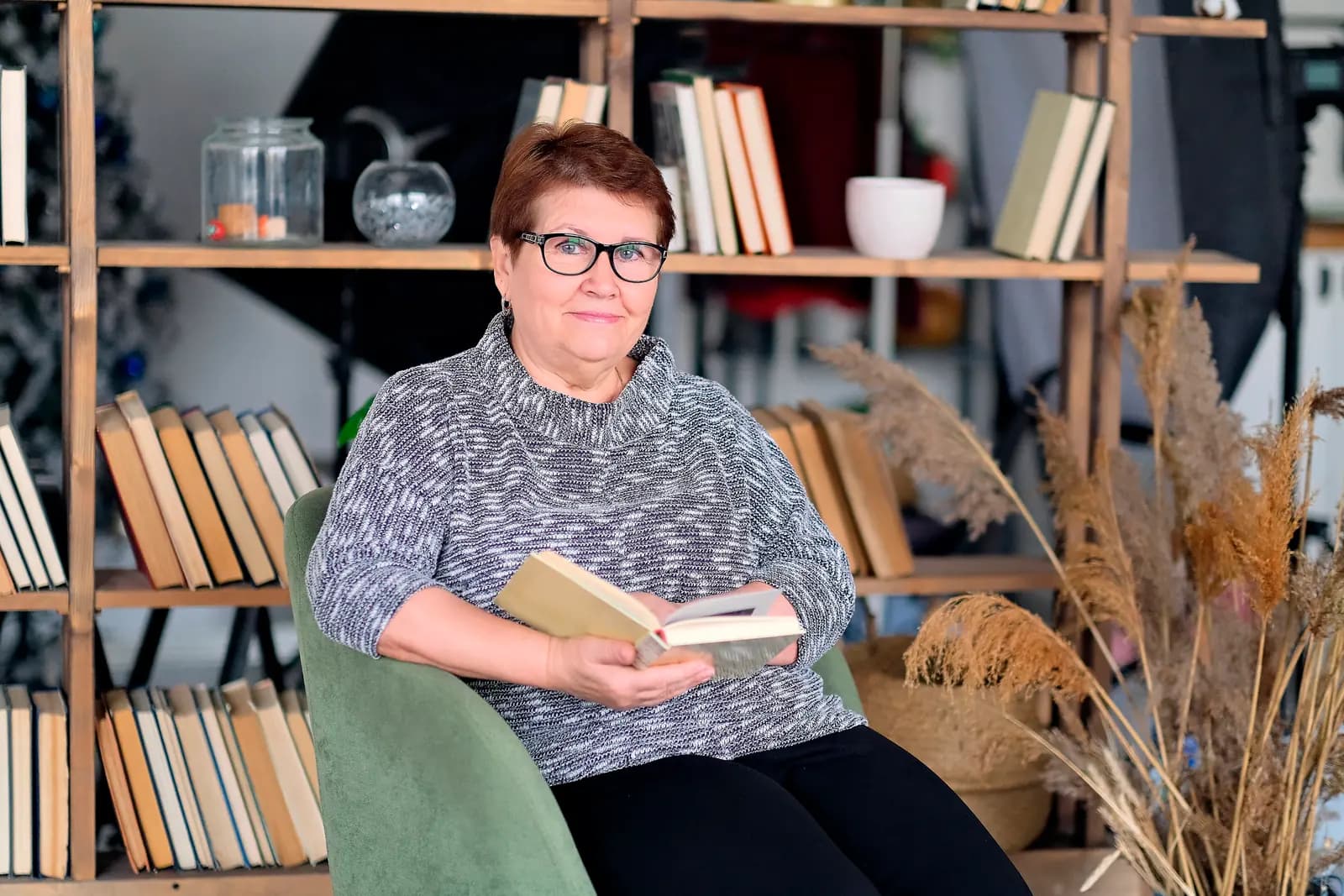
A reader settled into a sofa at home with a paperback

What this genre needs

Self-help is judged on whether the reader can actually do it

The test is not whether the advice is good. It is whether a reader finishes chapter three and knows exactly what to do next.

That makes structure almost everything: one idea per chapter, a method that builds, and exercises that are specific enough to complete. Manuscripts in this genre usually arrive with the ideas in the right place and the instructions missing, because the author knows the method too well to notice the gaps.

Production matters too, because worksheets and exercises have to work in a reflowable ebook as well as in print. We work through book editing, interior formatting and audiobook production, which this genre suits particularly well.

  • One idea per chapter, with a method that builds
  • Exercises specific enough that a reader can complete them
  • Worksheets that survive reflow in an ebook
  • Claims kept to what the book can honestly support

What's involved

What self-help publishing involves

Four things this genre is judged on.

  • A followable method

    The steps in order, with the gaps an expert author cannot see filled in.

  • Usable exercises

    Specific tasks, set so they work in print and in a reflowable ebook.

  • Honest claims

    What the book can support, with a disclaimer where the subject needs one.

  • Audio, if it suits

    Self-help reads well aloud, and an author narration often suits it.

Case study

A self-help book across three formats

Exercises that have to work in print, in a reflowable ebook where ruled lines are meaningless, and in audio where nothing can be shown at all.

Small Repairs — a ceramic bowl mended with veins of gold against a soft warm background

Small Repairs

Anna Reith

The brief: a practical self-help book with an exercise at the end of every chapter, which had to work in paperback, in a reflowable ebook where ruled writing space is meaningless, and as an audiobook where a worksheet cannot be shown at all.

What we did

  • Set exercises as styled blocks rather than images, so they survive reflow and remain accessible
  • Replaced ruled answer lines with numbered prompts, which work in all three formats
  • Specified a downloadable worksheet, referenced by URL rather than printed twice
  • Wrote the audio script notes so the narrator can introduce each exercise verbally
  • Kept the cover calm rather than aspirational, because the category is crowded with promises

What was delivered

  • Print interior with consistent exercise blocks
  • Reflowable ebook with accessible, styled exercises
  • Audio production notes for the exercise sections
  • Cover artwork for print, ebook and audiobook

Questions authors ask

Self-help: questions authors ask

You can describe what it is and what you have observed, and you should be careful about promising outcomes. Australian consumer law takes a dim view of misleading claims, and health-adjacent advice carries real risk. We will flag anything that overreaches and suggest wording that keeps the book persuasive without promising results.

Yes, if they are set as styled text blocks rather than pictures of worksheets. Images of forms are unreadable on a phone and invisible to screen readers. We convert ruled answer space into numbered prompts, and where a reader genuinely needs a printable sheet we reference a download instead of faking it in the file.

Forty to seventy thousand words is typical, and padding is obvious in this genre. If the method is six steps, the book is six chapters plus framing, and stretching it to three hundred pages makes it less useful rather than more substantial. We will tell you when a chapter exists only to add length.

Often yes. Self-help depends on the reader trusting the voice, and the author’s own voice carries authority that a hired narrator cannot. The exception is if reading aloud for hours is genuinely not your strength. We record a test chapter so you can hear the difference before deciding.

If your book touches health, mental health, finance or legal matters, yes, and it should be specific rather than a block of boilerplate. We draft one appropriate to your subject and tell you when the subject is serious enough that a lawyer should look at it rather than us.

We will publish books we disagree with. We will not publish advice we think is likely to harm someone — unsupported medical claims, or financial advice that reads as a guarantee. If we decline we will tell you exactly which passages are the problem rather than giving a vague no.

Still have a question? A real publisher will answer it.

Start your publishing journey
Make room for your book.

From your desk to a reader’s shelf

Send us your method

The manuscript or the chapter outline. An editor will tell you whether a reader could follow it, and what the book needs before it is designed.