
Skip to content
Kangaroo Direct Publishing — home

Genres

Poetry book publishing for Australian poets

Collections where the typesetting respects your line breaks, the paper suits the work, and nobody tidies up your spacing because it looked like a mistake.

  • A free manuscript read
  • Fixed written quote
  • You keep the rights

Portfolio

Poetry covers from our studio

Cover and production work, each shown with its title and author.

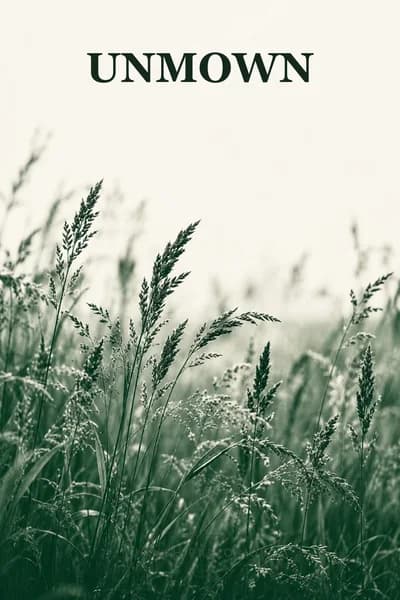
  • Unmown — a macro duotone photograph of seeding grass heads against a pale sky

    Unmown

    Jonah Pretorius

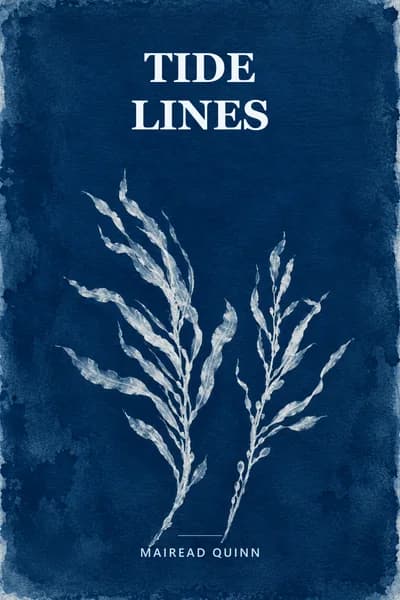
  • Tide Lines — a cyanotype print of seaweed fronds in Prussian blue on rough watercolour paper

    Tide Lines

    Mairead Quinn

  • Bone China — a single hairline-cracked white teacup photographed on a white ground in soft light

    Bone China

    Vera Lindholm

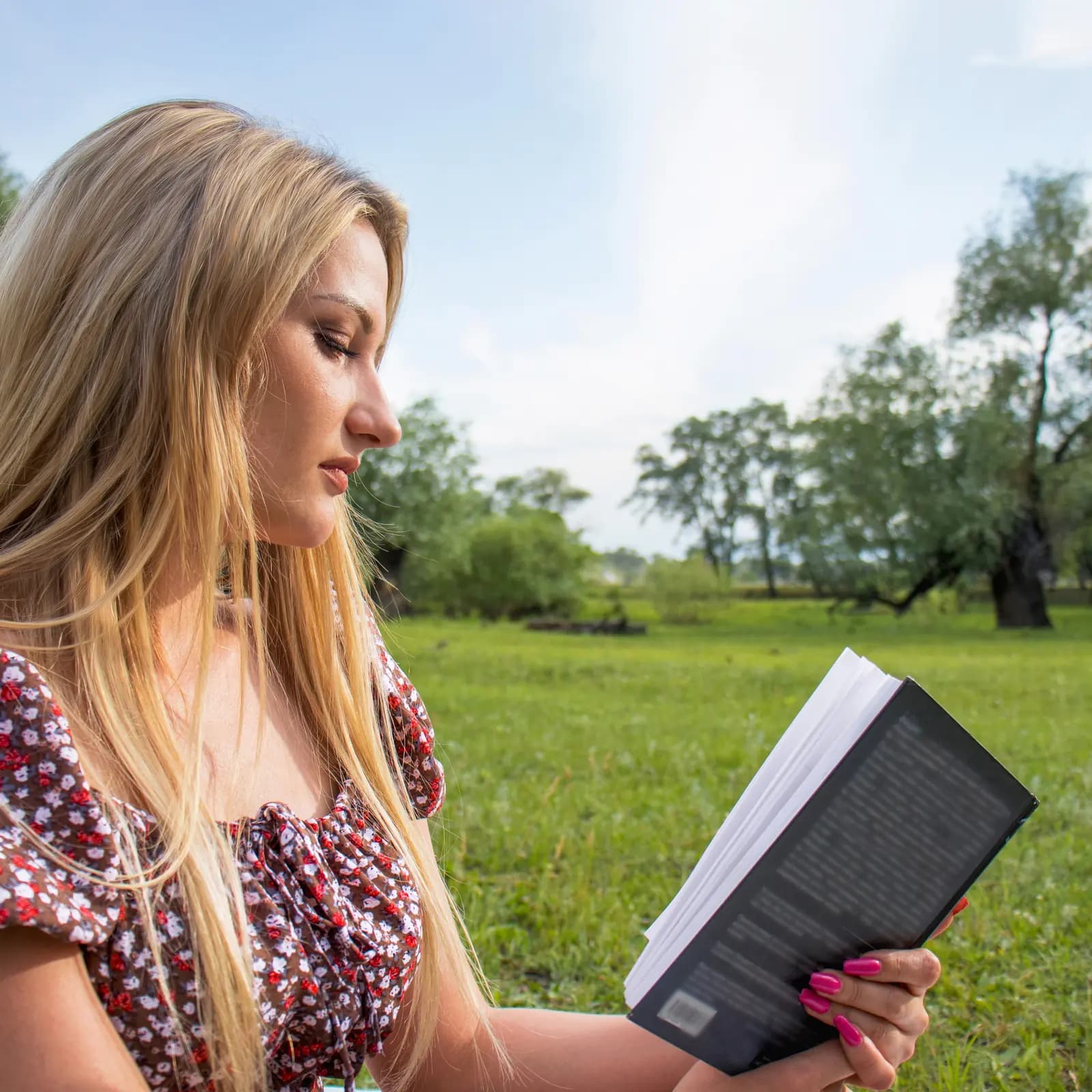
A reader lying in long grass with an open book in a green field

What this genre needs

In poetry, the typesetting is part of the poem

A line break is a decision. Most production processes treat it as whitespace to be normalised, and the poem quietly changes.

So we settle spacing in writing before typesetting begins: which poems run on, which must start on a recto, where a stanza may break across a page and where it may not, how indents and long lines are handled when the measure runs out. Then we typeset to that document rather than to a house default.

Ebooks need their own decision, because reflowable text breaks long lines wherever the screen ends. We work through interior formatting, book printing and book cover design.

  • Your spacing decisions recorded in writing, then matched exactly
  • Stanza breaks across pages controlled poem by poem
  • An ebook treatment that handles long lines deliberately
  • Trim size, paper and binding chosen for the work

What's involved

What publishing a collection involves

Four things poetry needs that prose does not.

  • A spacing document

    Your decisions on breaks, indents and run-ons, agreed before typesetting.

  • Ordering the collection

    An editorial read on sequence, which carries more weight than any single poem.

  • Long-line handling

    How a line that exceeds the measure behaves, in print and on a screen.

  • Acknowledgements and rights

    Prior publication credits listed properly, and permissions checked.

Case study

A poetry collection, line by line

Where the spacing decisions get recorded, why each poem starts a new page, and what the ebook does with a long line.

Ash and Ochre — a torn band of ochre pigment across a pale textured field of ash grey

Ash and Ochre

Tom Varela

The brief: a first collection of about fifty poems, several with long lines and unconventional spacing, to be published in paperback and as an ebook without the ebook destroying the line breaks the poems depend on.

What we did

  • Chose a wider trim than a standard novel so long lines sit on one line
  • Recorded every spacing decision in a document and typeset to it, not to a default
  • Set each poem to start on a new page, which costs pages and preserves the reading
  • Handled ebook long lines with a hanging indent rather than letting them wrap randomly
  • Specified an uncoated cream stock, which suits a book read slowly

What was delivered

  • Print interior typeset to the agreed spacing document
  • An ebook with deliberate long-line behaviour
  • Cover artwork for print and ebook
  • An acknowledgements page crediting prior publication

Questions authors ask

Poetry: questions authors ask

If prizes, festivals and reviews matter to you, yes, because many poetry prizes exclude self-published work and a press imprint carries weight here that it does not in fiction. Windows are narrow and the wait is long. We will tell you this plainly rather than selling you a route that may close doors.

Forty to seventy for a full collection, which usually runs 70 to 100 pages, and twenty to thirty for a chapbook. Page count matters more than poem count for printing, since each poem typically starts on a new page. The real question is whether the sequence holds, not the total.

No. We record your spacing decisions in a document before typesetting and match them exactly, including the ones that look like errors. If something is genuinely ambiguous we ask rather than deciding for you. This is the single most common complaint poets have about production, and it is avoidable.

Deliberately, because reflowable text wraps long lines wherever the screen ends. We use a hanging indent so a wrapped line is visibly a continuation rather than a new line, and we lock stanza spacing. For collections where layout is integral, a fixed-layout ebook alongside is sometimes the better answer.

Yes, and it is expected. Journals and anthologies that published individual poems should be acknowledged, and some licences require specific wording. We build the acknowledgements page from your publication list and check anything that looks as though it may still be under an exclusive period.

Honestly, in small numbers, and that is true of traditionally published poetry too. Most collections sell to readers who know the poet, at readings and through local shops. We will produce a beautiful book and list it properly; we will not pretend distribution turns poetry into volume sales.

Still have a question? A real publisher will answer it.

Start your publishing journey
Make room for your book.

From your desk to a reader’s shelf

Send us the collection

The manuscript and any notes on how the poems should sit on the page. We will come back on sequence, trim size and what production would cost.