

Skip to content
Kangaroo Direct Publishing — home

Genres

Romance book publishing for Australian authors

Romance readers buy by signal: subgenre, heat level, trope. Covers and blurbs that get those right sell; ones that hedge do not, however good the writing.

  • A free manuscript read
  • Fixed written quote
  • You keep the rights

Portfolio

Romance covers from our studio

Cover and production work, each shown with its title and author.

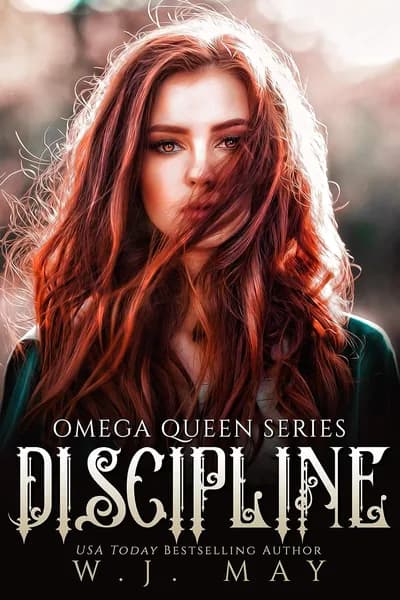
  • Discipline — a red-haired woman with wind-blown hair above ornate cream gothic lettering

    Discipline

    W. J. May

  • The Mage's Heir — a suited man and a silver-haired sorceress in crimson lace with a white wolf

    The Mage's Heir

    Wolfe Locke

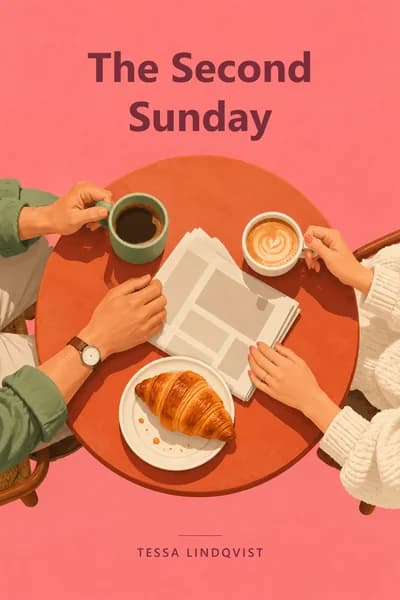
  • The Second Sunday — two coffee cups and a shared newspaper on a bright café table, flat illustration

    The Second Sunday

    Tessa Lindqvist

A smiling reader holding a red hardback and a cup of coffee

What this genre needs

Romance is the most signal-driven genre there is

A romance cover is a promise about what the book delivers. Breaking that promise generates refunds and one-star reviews from readers who would have loved a different book.

Contemporary, historical, romantic suspense, small-town, paranormal — each has a visual language, and readers scan for it in under a second. Heat level is signalled too, and getting it wrong in either direction loses the sale or disappoints the buyer. None of this is about being formulaic; it is about being findable.

Romance also rewards pace. Readers consume quickly and expect the next book, so production speed matters more here than anywhere else. We work through book cover design, book editing and book marketing with that schedule in mind.

  • Subgenre and heat level signalled deliberately on the cover
  • Blurbs written to the conventions readers actually scan
  • Production scheduled for authors releasing more than one book
  • Wide distribution, or exclusivity chosen knowingly

What's involved

What romance publishing involves

Four things this genre needs more than most.

  • Subgenre positioning

    The category, tropes and comparable titles your book genuinely competes with.

  • A cover that signals

    Subgenre and heat level readable at thumbnail size, before a word is read.

  • A release schedule

    Production planned around your writing pace, because this genre rewards it.

  • A blurb that converts

    Written to the conventions readers scan, with the hook in the first two lines.

Case study

A romance jacket that names its subgenre

Romance readers buy by signal. This is how a small-town contemporary gets built so the right reader recognises it in under a second.

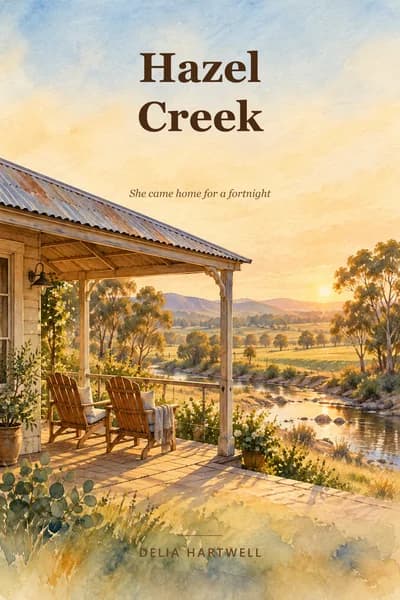
Hazel Creek — a watercolour of a timber verandah and tin roof above a creek in late afternoon light

Hazel Creek

Delia Hartwell

The brief: a small-town contemporary romance where the promise is place and pace rather than heat, and the cover has to say so instantly without using a photographic couple.

What we did

  • Chose loose watercolour over photography, which reads warmer at thumbnail size
  • Put the verandah and the empty chairs in frame, because the setting is the promise
  • Kept the palette to honey, eucalypt and dusty blue so it sits apart from city romance
  • Added a strapline rather than a tagline overlay, so the hook survives cropping
  • Set the title high on the plainest part of the wash, clear of the artwork

What was delivered

  • Cover artwork for print, ebook and audiobook
  • A retailer-page blurb with the hook in the first two lines
  • Categories and keywords chosen from live subgenre search terms
  • A series style sheet, in case book two follows

Questions authors ask

Romance: questions authors ask

Yes. Heat level is a signal to get right, not a problem to manage, and a cover that undersells the heat disappoints buyers as surely as one that oversells it. Retailers have their own content policies and some categories require a content warning; we set those up correctly rather than hoping nobody notices.

You can, and in this genre premades are often good and much cheaper. Bring it and we will tell you honestly whether it signals your subgenre and whether the licence is exclusive — a non-exclusive premade may appear on another author’s book, which matters more in romance than elsewhere.

Eight to ten weeks for a standard-length novel if the manuscript is clean and scheduled in advance, which is faster than our usual pace because romance authors need it. Booking the slot before you finish drafting is what makes that possible; a cold start takes longer.

Many romance authors do, and it is straightforward: copyright stays with you legally while the book publishes under the pen name, and the imprint can hold the ISBN. If you write in more than one heat level or subgenre, separate names help readers know what they are buying.

Yes, and we will show you rather than argue. Your cover beside the current top twenty in your category at thumbnail size usually settles it in seconds. Then it is your book and your decision, and we will produce what you ask for.

Not necessary, but it is how most romance authors build an income, because a reader who finishes book one often buys the next three that evening. A standalone can succeed; it just has to do all its own work. We will plan either, but we will tell you which is harder.

Still have a question? A real publisher will answer it.

Start your publishing journey
Make room for your book.

From your desk to a reader’s shelf

Tell us about your romance

Send the manuscript and name the subgenre and heat level. We will come back on positioning, cover direction and a production schedule that fits your writing pace.